

PRIMITIVE REFLEX INTEGRATION
Supporting Brain and Body Development
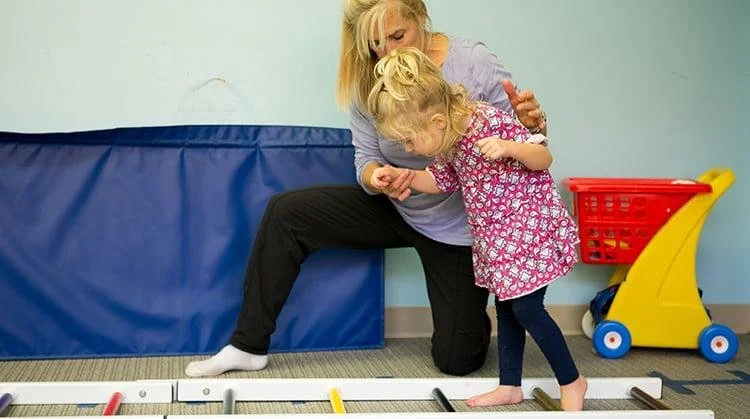
Primitive reflexes are automatic movement patterns that develop during infancy and help support early neurological development.
As the brain matures, these reflexes are normally integrated into higher levels of nervous system control.
When primitive reflexes remain active beyond the expected stage of development, they may interfere with movement, coordination, sensory processing, attention, learning, and other aspects of function.
At Jamieson Health Center, primitive reflexes are evaluated as part of a broader brain–body assessment.
WHAT ARE PRIMITIVE REFLEXES?

Primitive reflexes are automatic responses controlled by early-developing areas of the nervous system.
Examples include:
Startle and Moro Reflex
Asymmetrical Tonic Neck Reflex (ATNR)
Tonic Labyrinthine Reflex (TLR)
Spinal Galant Reflex
Palmar Reflex
Rooting Reflex
These reflexes play an important role during infancy but are normally integrated as higher brain centers mature.
When integration is incomplete, the nervous system may continue relying on patterns that should no longer be dominant.
HOW RETAINED REFLEXES MAY AFFECT FUNCTION

Retained primitive reflexes have been associated with challenges involving:
attention and focus
motor coordination
balance and posture
sensory processing
emotional regulation
learning and academic performance
developmental delays
Not every child with these challenges has retained reflexes, but primitive reflexes can sometimes be an important piece of the overall picture.
HOW WE EVALUATE PRIMITIVE REFLEXES

At Jamieson Health Center, primitive reflexes are assessed as part of a comprehensive neurological and functional evaluation.
The assessment may include:
movement patterns
posture and balance
coordination
sensory-motor function
developmental history
neurological organization
The goal is to identify whether retained reflexes may be contributing to broader patterns of dysfunction.
HOW PRIMITIVE REFLEXES FIT INTO OUR BRAIN–BODY MODEL

Primitive reflexes do not exist in isolation.
They interact with:
neurological development
posture and movement
sensory processing
stress regulation
learning and behavior
This is why we evaluate them within the context of the whole system rather than as a separate problem.
When appropriate, findings may be integrated with:
OUR APPROACH TO PRIMITIVE REFLEX INTEGRATION
Many primitive reflex programs rely primarily on repetitive home exercises performed over months or longer.
Dr. Jamieson's approach is different.
Through functional neurological assessment and targeted clinical interventions, he works to facilitate the integration of retained primitive reflexes as part of a broader brain–body treatment plan.
Depending on the individual's presentation, care may incorporate:
functional neurological techniques
sensory-motor stimulation strategies
structural and neurological interventions
brain-based rehabilitation approaches
other individualized methods designed to support neurological organization
The goal is to help the nervous system develop more mature and efficient patterns of regulation rather than simply compensating for retained reflexes.
Many patients experience changes more quickly than expected, although every individual responds differently.

DR. JAMIESON'S EXPERIENCE

Dr. Samuel Jamieson has extensive experience evaluating and addressing retained primitive reflexes as part of a broader functional neurology and brain–body care model.
Rather than relying solely on long-term home exercise programs, he uses clinical assessment and targeted neurological interventions designed to facilitate reflex integration and improve overall neurological organization.
As a result, some patients experience meaningful changes in a relatively short period of time, although individual responses vary.
This approach allows primitive reflex findings to be addressed within the context of the entire brain–body system.

WHO MAY BENEFIT FROM EVALUATION?
Primitive reflex assessment may be appropriate for children experiencing:
developmental delays
learning challenges
attention difficulties
coordination problems
sensory processing challenges
postural issues
behavioral regulation difficulties
Adults with neurological or movement-related challenges may also benefit from evaluation

START HERE
If you suspect retained primitive reflexes may be contributing to your child's challenges, begin with a Brain–Body Evaluation.
We will help determine whether primitive reflex assessment is appropriate and what next steps may be most helpful.