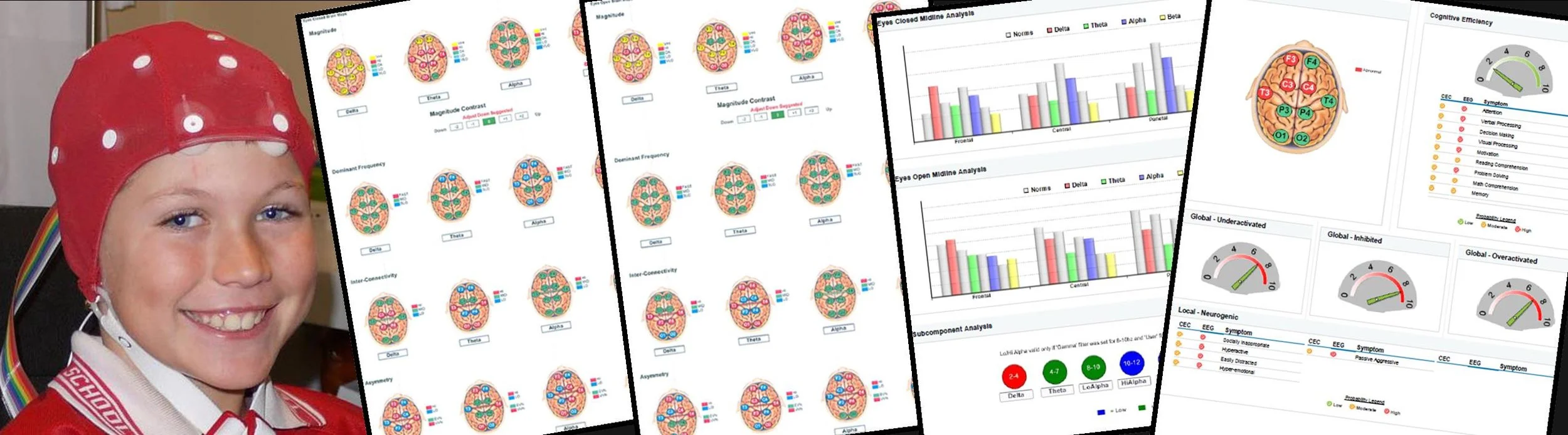
Train Your Brain to Function Better
NEUROFEEDBACK
Functional neurofeedback brain training designed to improve focus, emotional regulation, stress resilience, sleep, and cognitive performance.
Personalized brain training for adults and children using qEEG-guided protocols.
Call 408-517-0706 to schedule a brain map consultation.
WHAT IS NEUROFEEDBACK?
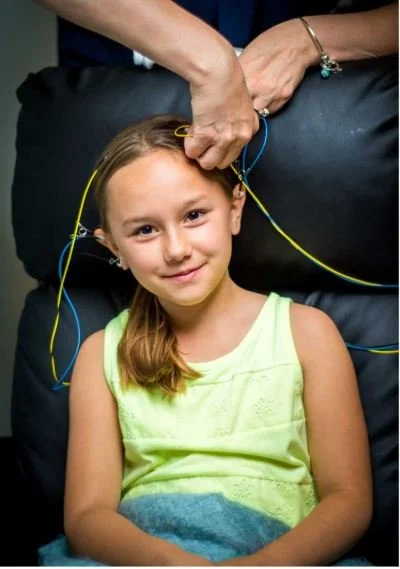
Neurofeedback is a brain training method that helps improve how the brain regulates its own activity.
It works by helping the brain learn and reinforce more efficient patterns of regulation through real-time feedback and repetition.
Neurofeedback is not talk therapy and not medication — it is training designed to improve self-regulation.
It is commonly used to support:
attention and focus
emotional regulation
stress response
sleep quality
cognitive performance
NEUROPLASTICITY & BRAIN TRAINING
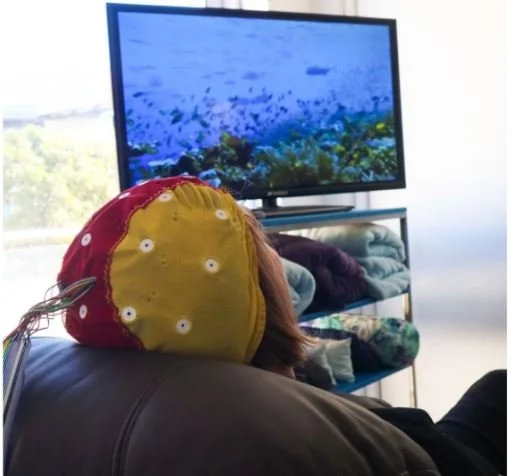
Neurofeedback is based on the brain’s ability to adapt and reorganize through experience — a concept known as neuroplasticity.
Through repeated real-time feedback, the brain can learn more stable and efficient regulation patterns over time.
This is why neurofeedback is approached as a training process rather than a temporary intervention.
Research suggests that neurofeedback training may influence both functional brain activity and underlying neural connectivity, supporting changes in how brain networks communicate and adapt.
HOW IT WORKS
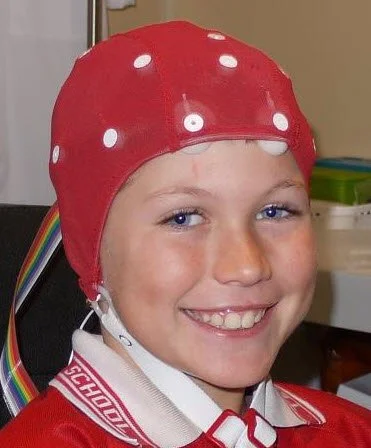
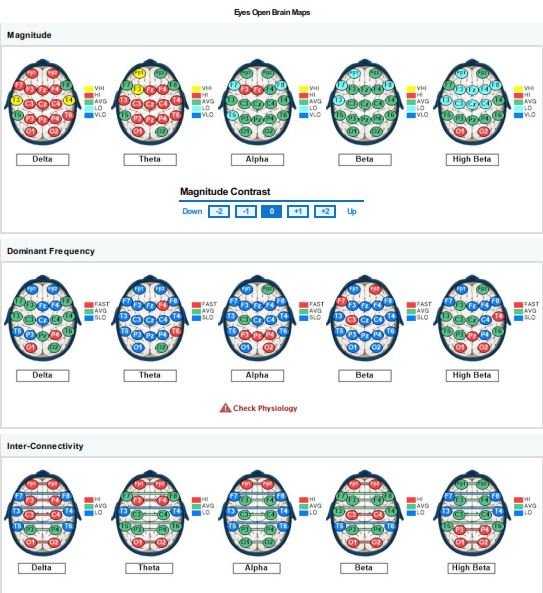
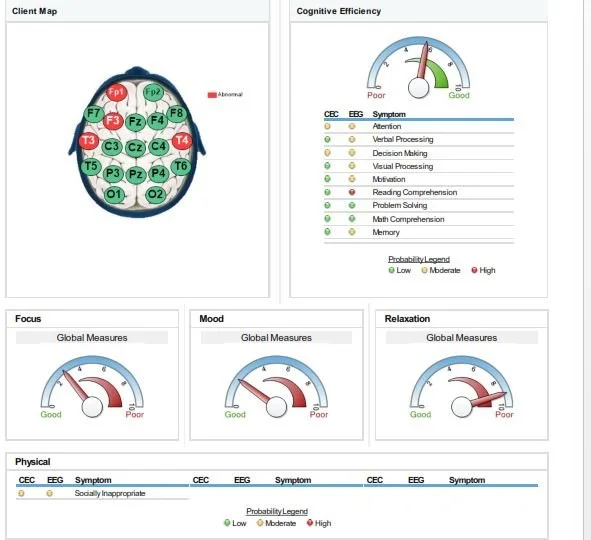
1. Brain Mapping (qEEG Assessment)
We begin with a quantitative EEG (qEEG) brain map to evaluate patterns of brain activity and identify areas of dysregulation.
This provides a functional picture of how the brain is operating, not just a list of symptoms.
2. Personalized Training Plan
Based on the brain map and clinical history, a customized neurofeedback protocol is created.
No two training plans are the same.
3. Brain Training Sessions
During sessions, you watch a movie or listen to audio while receiving real-time feedback from your brain activity.
When the brain moves toward more regulated patterns, feedback continues. When it moves away, feedback pauses — helping the brain gradually learn more regulated patterns.
4. Progressive Change
Over time, the brain develops more stable and efficient regulation patterns.
Most patients notice gradual improvements in:
focus and clarity
emotional stability
sleep quality
stress tolerance
cognitive performance

WHO IT HELPS
Neurofeedback is used for both clinical and performance applications.
It may support individuals experiencing:
ADHD / attention challenges
anxiety and chronic stress
sleep issues
brain fog or mental fatigue
migraines
concussion recovery
emotional dysregulation
learning difficulties
the need to improve how they think, perform, recover, and adapt under pressure.
It is also used by professionals, students, athletes, and individuals seeking improved cognitive performance.
WHAT MAKES OUR NEUROFEEDBACK APPROACH DIFFERENT
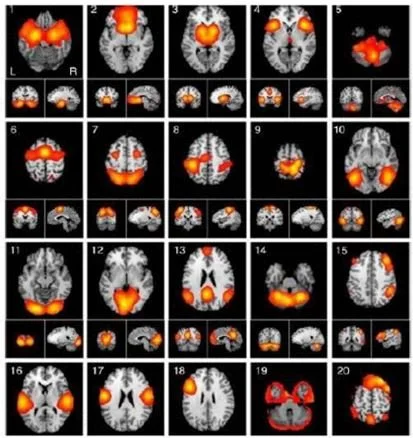
At Jamieson Health Center, neurofeedback is not based on symptom checklists or generic training protocols.
It is guided by brain data, clinical history, and functional patterns of regulation.
We use a functional neurofeedback model designed to understand how brain networks are actually operating—rather than treating isolated symptoms.
qEEG-GUIDED, INDIVIDUALIZED TRAINING
Every brain is different.
A qEEG brain map helps identify patterns of brain activity, network imbalance, and dysregulation that may be contributing to symptoms or performance challenges.
This information is used to design a training plan based on:
brain network activity patterns
history of injury, stress, or developmental factors
emotional and cognitive symptoms
functional performance goals
No two training protocols are the same.
NETWORK-BASED BRAIN TRAINING
Rather than training isolated points on the brain, we focus on functional brain networks involved in:
attention and executive function
emotional regulation systems
stress response networks
cognitive efficiency and processing speed
This approach is designed to improve coordination between brain regions, not just localized activity.
REAL-TIME CLINICAL OVERSIGHT
During training, sessions are actively monitored so protocols can be adjusted when needed.
This allows us to:
track how the brain is responding in real time
make adjustments when progress plateaus
ensure training remains aligned with clinical goals
The goal is not passive or standardized training, but an actively guided process that adapts as the brain changes over time.
INTEGRATION WHEN NEEDED
Neurofeedback is often most effective when combined with broader brain–body support.
Depending on the individual, this may include:
nutritional or metabolic support
stress and lifestyle regulation strategies
structural or neurological care
performance tracking tools
This helps address both brain function and the systems that influence it.

WHAT TO EXPECT
Every brain responds differently, but many patients report improvements in:
sleep
anxiety and mental overload
focus and attention
emotional regulation
Meaningful changes typically develop over a structured training process.

IS NEUROFEEDBACK RIGHT FOR YOU?
Neurofeedback may be appropriate if you:
feel stuck with symptoms that haven’t improved with other approaches
want a non-medication approach to brain-related challenges
are seeking improved cognitive performance or clarity
want to support a child’s learning, behavior, or emotional regulation

WHY PATIENTS CHOOSE THIS APPROACH
Patients often seek this model after trying other approaches that did not fully address their symptoms.
They are typically looking for:
data-guided brain assessment (qEEG)
individualized protocols instead of standard training
a structured, measurable approach to change
support for both clinical and performance goals
a system that adapts over time