

APPLIED KINESIOLOGY
Understanding How the Brain and Body Communicate

Applied Kinesiology (AK) is an assessment system that helps evaluate how different body systems may be influencing function and performance.
At Jamieson Health Center, Applied Kinesiology is used as part of a broader brain–body evaluation process to help identify patterns that may not be apparent through symptoms alone.
Rather than focusing on a single symptom or diagnosis, AK helps us look at how neurological, structural, biochemical, and lifestyle factors may be interacting within the body as a whole.
WHAT IS APPLIED KINESIOLOGY?
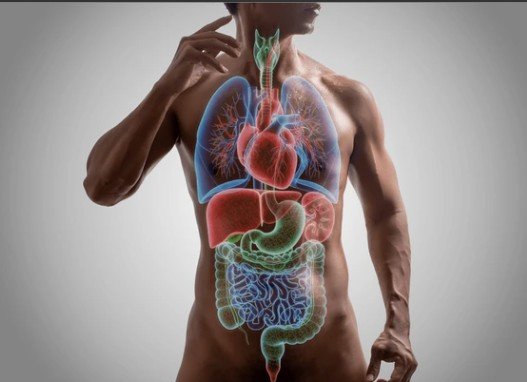
Applied Kinesiology is a clinical assessment approach developed by chiropractor Dr. George Goodheart in the 1960s.
It combines principles from:
neurology
biomechanics
muscle function
nutrition
rehabilitation
The goal is to better understand how different systems of the body are functioning and interacting.
AK is not a treatment itself.
It is an assessment method that helps guide clinical decision-making.
HOW IT FITS INTO OUR BRAIN–BODY MODEL

At Jamieson Health Center, we view health through three major areas of regulation:
Neurological Function
How the brain and nervous system process, organize, and respond to information.
Structural Function
How posture, movement, joint mechanics, and sensory input influence the nervous system.
Metabolic Function
How nutrition, inflammation, energy production, and physiological stress affect overall function.
Applied Kinesiology can help identify patterns within and between these systems that may be contributing to symptoms or reduced performance.
WHAT WE MAY EVALUATE

Depending on the individual, assessment may include factors such as:
movement and posture patterns
muscle function
neurological organization
sensory-motor integration
nutritional influences
stress adaptation
previous injuries
functional compensation patterns
The purpose is to identify where the system may not be adapting efficiently.
WHY THIS MATTERS

Many people experience symptoms that involve more than one body system.
Examples may include:
chronic fatigue
brain fog
recurring pain patterns
balance problems
stress-related symptoms
learning or developmental challenges
performance plateaus
When symptoms involve multiple systems, evaluating how those systems interact can sometimes reveal patterns that would otherwise be missed.
APPLIED KINESIOLOGY AND FUNCTIONAL NEUROLOGY

Applied Kinesiology is one of several tools we may use to understand brain–body function.
When appropriate, findings may be integrated with:
neurofeedback and qEEG findings
structural assessment
movement and rehabilitation strategies
This allows us to develop a more complete picture of how the individual is functioning.
DR. JAMIESON'S EXPERIENCE
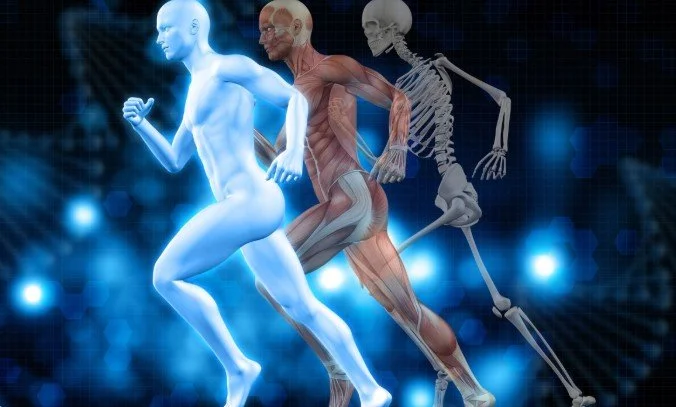
Dr. Samuel Jamieson has pursued extensive post-graduate training in Applied Kinesiology and is an active member of the International College of Applied Kinesiology (ICAK).
His clinical approach integrates Applied Kinesiology with functional neurology, nutrition, neurofeedback, and other brain–body assessment methods to help identify patterns affecting health and performance.
IS APPLIED KINESIOLOGY RIGHT FOR YOU?

Applied Kinesiology may be appropriate for individuals seeking a broader evaluation of factors that may be affecting:
health
neurological function
physical performance
recovery
resilience
It is most often used as part of a comprehensive brain–body assessment rather than as a standalone service.

START HERE
If you are interested in Applied Kinesiology, schedule a Brain–Body Evaluation.
We will help determine the most appropriate next step based on your history, symptoms, and goals.