

Neurofeedback for Anxiety in San Jose
An individualized, brain-based approach to stress, anxiety, and emotional regulation.
Call 408-517-0706 to schedule a brain map consultation.
ANXIETY IS MORE THAN FEELING WORRIED
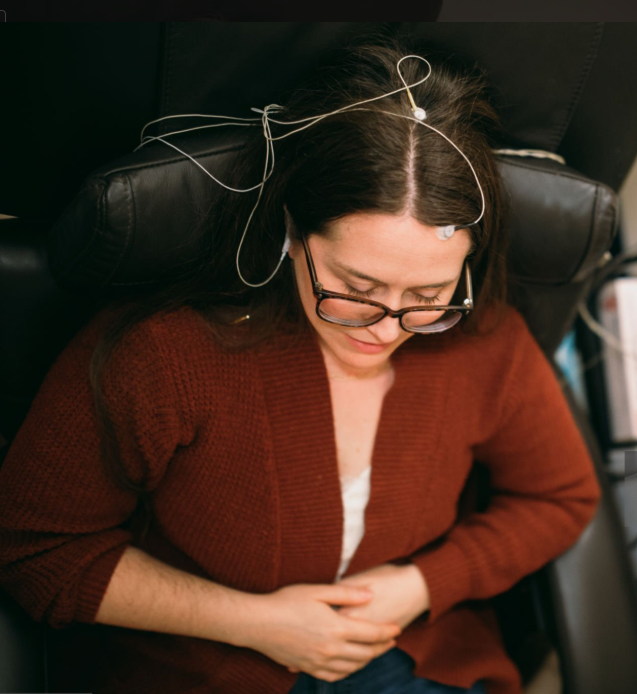
Anxiety isn't always obvious. Some people experience constant worry or racing thoughts, while others feel physically tense, overwhelmed, or unable to relax—even when there is no immediate danger.
Anxiety can affect both children and adults, influencing sleep, concentration, emotional regulation, and everyday functioning.
Common experiences include:
Persistent worry, overthinking, or racing thoughts
Feeling constantly on edge or unable to relax
Replaying past conversations, mistakes, or upsetting experiences
Persistent negative self-talk, self-criticism, or repetitive thought patterns
Physical tension, restlessness, or difficulty calming down
Trouble falling asleep or staying asleep
Difficulty concentrating or feeling mentally overwhelmed
Irritability, emotional sensitivity, or feeling easily overstimulated
Avoiding situations that trigger worry or discomfort
Not everyone experiences anxiety in the same way.
For some, anxiety is primarily mental. For others, physical symptoms such as muscle tension, digestive discomfort, or a racing heartbeat are more noticeable.
At Jamieson Health Center, we recognize that anxiety involves interactions between brain function, the nervous system, and overall health. Our individualized approach considers both brain regulation and potential physiological contributors rather than focusing on symptoms alone.
HOW CAN NEUROFEEDBACK HELP WITH ANXIETY?
Anxiety doesn't look the same for everyone. Some people are constantly anticipating what might go wrong, while others struggle with repetitive thoughts about things that have already happened.
For many, anxiety also involves physical tension, heightened alertness, or difficulty relaxing—even when there is no immediate threat.
Neurofeedback is a form of brain training that uses real-time feedback to help the brain practice regulating its activity.
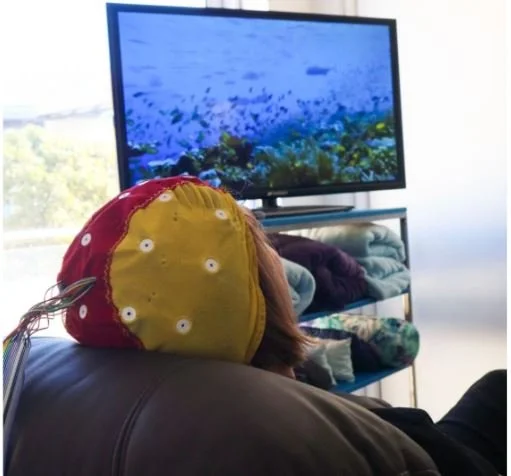
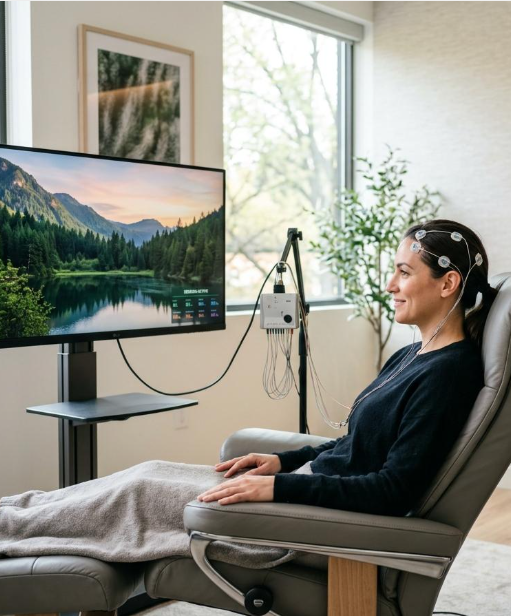
During training, sensors monitor brainwave activity while the person watches a movie or receives other visual and auditory feedback. The feedback changes in response to brain activity, providing opportunities to practice different patterns of self-regulation.
Depending on the individual's needs, training goals may include:
Anticipatory anxiety — Supporting greater flexibility when facing uncertainty, future events, and persistent worry.
Ruminative anxiety — Supporting the ability to disengage from repetitive thoughts, self-criticism, and negative mental loops.
Physical tension and hyperarousal — Working toward more flexible regulation of heightened alertness and stress responses.
Emotional regulation — Supporting the ability to respond to stressful experiences without becoming overwhelmed.
Sleep and relaxation — Addressing regulation difficulties that may interfere with settling down and resting.
Different experiences of anxiety may involve different patterns of brain activity.
At Jamieson Health Center, we use qEEG Brain Mapping, clinical history, and individualized assessment to guide neurofeedback training. When appropriate, advanced connectivity analysis and Multivariate Coherence Training (MVCT) help us select specific brain-network training targets.
We also consider the relationship between brain regulation and physical health. Dr. Jamieson's integrative brain–body evaluation may identify additional areas to address through individualized care.
Our goal is to support meaningful improvements in everyday functioning—not simply changes on a brain map.
OUR INTEGRATED BRAIN–BODY APPROACH TO ANXIETY
1. Understanding Your Unique Patterns — qEEG Brain Mapping
We begin by learning about your symptoms, personal history, and goals.
Are you constantly worrying about what might happen? Do you replay past experiences, struggle with negative self-talk, or feel physically tense even when your mind seems calm?
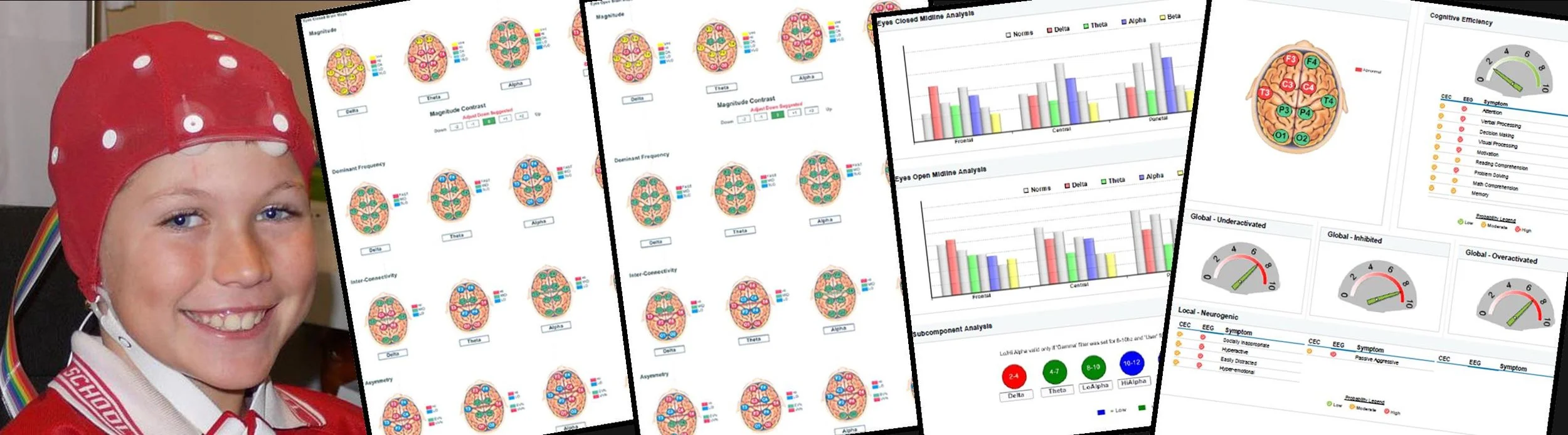
A qEEG Brain Map helps us examine patterns of brainwave activity and regulation that may inform individualized neurofeedback training.
Because anxiety can take different forms, we don't assume that everyone needs the same training protocol.
2. Looking Beyond the Brain — Comprehensive Brain–Body Evaluation
Anxiety can involve more than thoughts and emotions. Sleep disturbances, nutritional concerns, chronic stress, and other physiological factors may also influence how the nervous system functions.
Dr. Samuel Jamieson uses an integrative approach incorporating Applied Kinesiology, functional neurology, and nutritional assessment to explore potential contributors to these difficulties.
Depending on individual findings, recommendations may include nutritional support, dietary changes, and other personalized brain–body care.
3. Personalized Neurofeedback and Brain–Body Care
We develop a personalized care plan that brings together qEEG findings, clinical history, and brain–body assessment.
Your neurofeedback training may focus on patterns relevant to emotional regulation, persistent worry, repetitive thinking, or heightened arousal.
When appropriate, advanced connectivity analysis and Multivariate Coherence Training (MVCT) help us select specific brain-network training targets.
Brain training and supportive brain–body care can be coordinated as part of the same individualized program.
4. Monitoring Progress and Adjusting Care
Throughout care, we monitor changes in worry, rumination, emotional regulation, sleep, physical tension, and everyday functioning.
We review progress and adjust neurofeedback protocols and brain–body recommendations according to individual needs and responses.
Our goal is to support meaningful improvements in how you feel and function—not simply changes in brainwave patterns.

BRAD'S STORY: WHEN ANXIETY AFFECTS MEMORY AND PERFORMANCE
From Struggling in Client Meetings to Feeling Mentally Sharp Again
Brad was a 42-year-old technology sales professional who had always been successful at his job. But over several months, he began experiencing troubling changes in his concentration, memory, and mental performance.
Even after carefully preparing a sales presentation the night before, he struggled to remember what he wanted to say during client meetings. He had difficulty answering questions, remembering names and faces, and sometimes even performing simple calculations.
The more these problems occurred, the more anxious and frustrated he became.
Brad also experienced insomnia, low energy, irritability, and periods of feeling depressed. He relied on caffeine throughout the day to keep going.
Looking Beyond the Symptoms
We began with a detailed history and qEEG Brain Mapping.
Brad's brain map revealed differences in brainwave activity, including beta asymmetry and elevated high-beta activity, that helped guide his individualized neurofeedback program.
Dr. Jamieson's comprehensive nutritional and brain–body evaluation also raised concerns about physiological stress, hormonal regulation, and Brad's response to stimulants such as caffeine.
Rather than focusing exclusively on his anxiety or memory complaints, we developed a coordinated plan addressing both brain regulation and overall health.
An Integrated Treatment Program
Brad's personalized program included:
40 sessions of qEEG-guided neurofeedback and brain entrainment, generally twice weekly
Nutritional recommendations and individualized supplementation
Dietary changes, including eliminating coffee
Reducing strenuous exercise temporarily to support recovery
Monthly nutritional follow-ups and ongoing symptom monitoring
Brad's Progress
Following his program, Brad reported substantial improvements in memory, mental clarity, energy, and everyday functioning.
He described feeling as though his brain and memory were finally “back online.”
His follow-up qEEG Brain Map also showed changes compared with his initial assessment.
Why His Story Matters
Brad's experience illustrates why we consider both brain function and physiological health when working with people experiencing anxiety, cognitive difficulties, and chronic stress.
At Jamieson Health Center, individualized neurofeedback and comprehensive brain–body care can work together as part of a coordinated approach.
Brad is a pseudonym. This historical case involved multiple interventions, so improvements cannot be attributed to any single treatment. Individual results vary.
WHAT CHANGES MIGHT PATIENTS NOTICE?

Everyone experiences anxiety differently, and progress doesn't always happen at the same pace.
As individuals participate in their personalized neurofeedback and brain–body care program, they may notice changes in:
Anticipatory anxiety — Less time worrying about what might go wrong and greater ease facing uncertain situations.
Rumination and negative self-talk — Less repetitive overthinking, self-criticism, and replaying past experiences.
Physical tension and stress responses — Feeling less constantly on edge and finding it easier to relax.
Emotional regulation — Responding more calmly to challenges and recovering more easily from stressful situations.
Sleep and mental clarity — More restful sleep, improved concentration, and greater confidence in everyday activities.
We monitor progress throughout care, considering both subjective experiences and changes in everyday functioning. Training protocols and brain–body recommendations are adjusted according to individual responses.
Our goal is not simply to change brainwave patterns, but to support meaningful improvements in how you feel, think, and function.
Individual experiences vary, and improvements are not guaranteed.
WHY PATIENTS CHOOSE JAMIESON HEALTH CENTER

Many people come to us after struggling with persistent anxiety, overthinking, physical tension, or difficulty managing stress.
They're looking for an individualized approach that considers both brain function and overall health.
What makes our approach different:
Individualized Brain Mapping — qEEG findings help guide neurofeedback training rather than relying on a standard protocol.
Advanced Neurofeedback — Personalized training, including brain connectivity analysis and Multivariate Coherence Training (MVCT) when appropriate.
Comprehensive Brain–Body Care — Dr. Jamieson's integrative evaluation considers nutritional, neurological, and other physiological factors that may contribute to stress and difficulties with regulation.
Two Practitioners, One Coordinated Approach — Neurofeedback and brain–body care can be developed together, with each practitioner contributing specialized expertise.
Progress That Matters in Everyday Life — We monitor changes in worry, rumination, emotional regulation, sleep, mental clarity, and daily functioning.
Our philosophy is simple: Understand the individual, look beyond the symptoms, and personalize the care.
READY TO FEEL MORE IN CONTROL?
Whether you're struggling with persistent worry, repetitive negative thoughts, physical tension, or difficulty managing stress, understanding your individual patterns is an important first step.
At Jamieson Health Center, we combine personalized neurofeedback with comprehensive brain–body evaluation and care to look beyond anxiety symptoms and develop an individualized approach.