

Neurofeedback for ADHD in San Jose
An individualized, brain-based approach to attention, focus, and self-regulation.
Call 408-517-0706 to schedule a brain map consultation.
ADHD IS MORE THAN DIFFICULTY PAYING ATTENTION
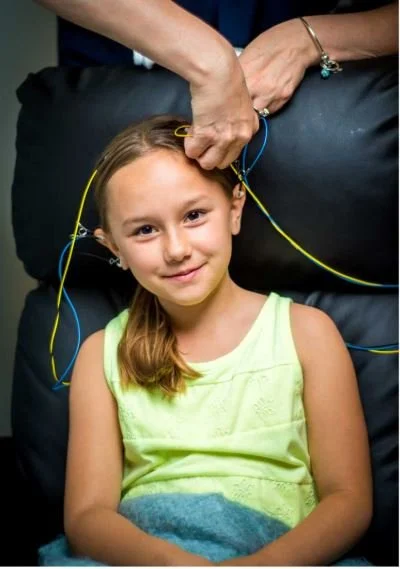
ADHD affects more than the ability to concentrate. It can influence how children and adults manage their attention, emotions, impulses, and everyday responsibilities.
For many families, the challenges go beyond schoolwork. Parents may notice:
Difficulty staying focused or completing assignments
Trouble following instructions or remembering tasks
Impulsivity, restlessness, or excessive activity
Emotional outbursts, frustration, or difficulty calming down
Problems with organization, planning, and time management
Difficulty settling down or maintaining healthy sleep routines
Not everyone with ADHD has the same challenges.
Some children are constantly moving, while others are quiet, distracted, or lost in thought.
At Jamieson Health Center, we recognize these individual differences. Our approach begins with understanding each person's unique challenges rather than assuming everyone with ADHD needs the same training protocol.
HOW CAN NEUROFEEDBACK HELP WITH ADHD?
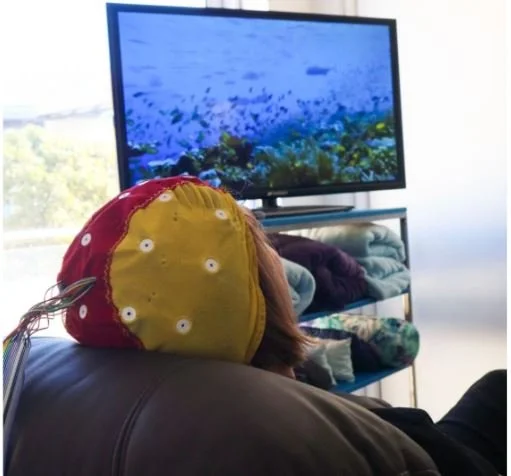
Neurofeedback is a form of brain training that uses real-time feedback to help the brain practice regulating its own activity.
During a training session, sensors placed on the scalp monitor brainwave activity while the person watches a movie or receives other visual and auditory feedback. The feedback changes in response to brain activity, creating opportunities to practice different patterns of self-regulation.
For individuals with ADHD, training may focus on areas such as:
Sustaining attention and concentration
Managing impulsivity and restlessness
Supporting emotional self-regulation
Improving consistency in everyday tasks
Not everyone with ADHD has the same brainwave patterns. That's why we begin with qEEG Brain Mapping and develop training recommendations based on each person's individual findings and needs.
OUR INDIVIDUALIZED APPROACH TO ADHD
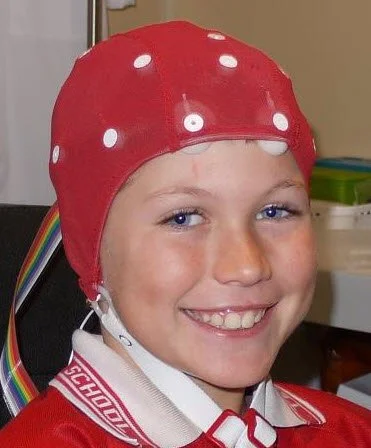
1. Understanding the Individual — qEEG Brain Mapping
We begin by learning about each child's unique challenges, developmental history, and goals.
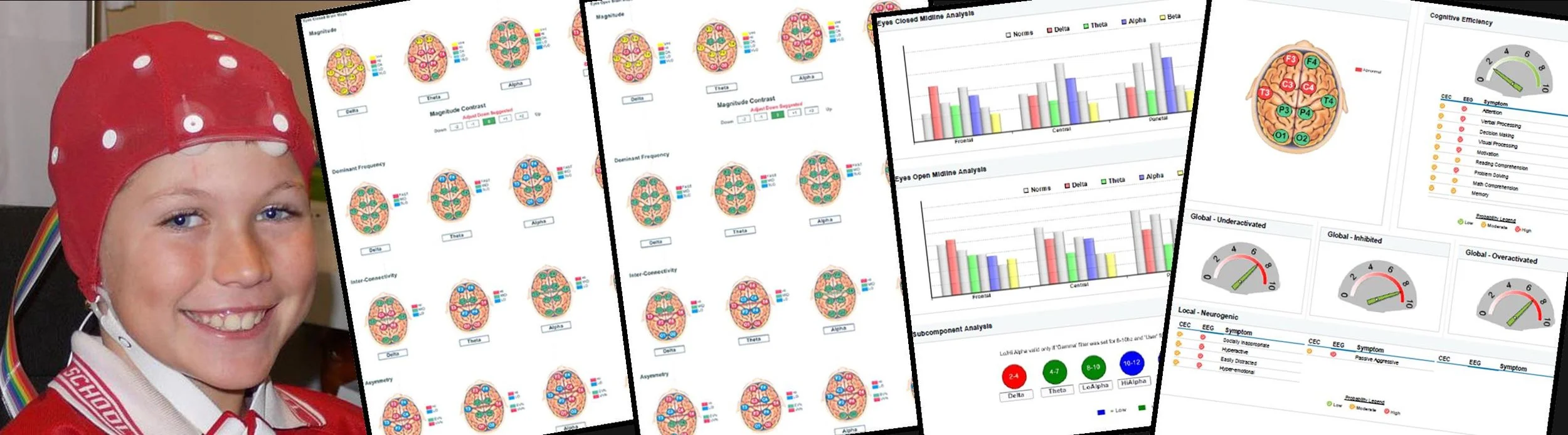
A qEEG Brain Map helps us evaluate patterns of brainwave activity and regulation that may inform individualized neurofeedback training.
Because no two children have exactly the same challenges or brainwave patterns, we don't believe in a one-size-fits-all approach.
2. Looking Beyond the Brain — Comprehensive Brain–Body Evaluation
Attention, learning, and emotional regulation can be influenced by more than brainwave activity alone.
Dr. Samuel Jamieson uses an integrative approach incorporating Applied Kinesiology, functional neurology, and nutritional assessment to explore potential physiological and functional contributors to a child's difficulties.
Depending on the findings, recommendations may include nutritional support, dietary changes, and other individualized brain–body care.
3. Personalized Neurofeedback and Brain–Body Care
We develop an individualized care plan that brings together findings from the brain map, clinical history, and brain–body evaluation.
Neurofeedback protocols are selected to address each person's training goals. When appropriate, we incorporate advanced connectivity analysis and Multivariate Coherence Training (MVCT) to guide targeted brain-network training.
Brain training and supportive brain–body care can be coordinated as part of the same personalized program.
4. Monitoring Progress and Adjusting Care
We monitor changes in attention, behavior, emotional regulation, sleep, and everyday functioning throughout the program.
Neurofeedback training and brain–body recommendations are reviewed and adjusted according to individual needs and responses.
Our goal is to help each child develop stronger self-regulation skills while supporting the overall health and functioning of the individual.

JOHNNY'S STORY: LOOKING BEYOND ADHD
From Struggling in Elementary School to College Graduate
When Johnny first came to Jamieson Health Center at eight years old, he struggled with attention, restlessness, and behavior at school. He was easily distracted, frequently forgot assignments, and sometimes disrupted his classmates. His difficulties were often interpreted as defiance.
Looking Beyond the Symptoms
Johnny's qEEG Brain Map revealed differences in brainwave activity that helped guide his neurofeedback training.
Dr. Jamieson also conducted a comprehensive brain–body evaluation using Applied Kinesiology. His findings raised concerns about possible environmental and physiological stressors. Johnny's parents subsequently discovered mold in their home and addressed the problem.
Johnny's personalized care combined neurofeedback and brain entrainment with nutritional support, dietary changes, and ongoing monitoring.
A Remarkable Journey
Following treatment, Johnny's parents noticed improvements in his attention and ability to participate in school.
As he grew older, he began taking advanced classes in middle school and high school.
In May 2026, Johnny graduated from college with a 4.0 GPA.
His journey from a struggling elementary school student to a successful college graduate is a meaningful part of our practice's history.
Why We Share His Story
Johnny's experience illustrates our belief that children with attention and learning challenges deserve more than a one-size-fits-all approach.
At Jamieson Health Center, we combine individualized brain training with comprehensive brain–body care, considering the many factors that may influence a child's ability to learn and thrive.
Johnny is a pseudonym. This case involved multiple interventions, and his academic achievements cannot be attributed to any single treatment. Individual results vary.
WHAT CHANGES MIGHT FAMILIES NOTICE?

Every child is different, and progress doesn't always happen in the same way or at the same pace.
As children participate in their individualized neurofeedback and brain–body care program, families may notice changes in:
Attention and focus — Staying engaged with schoolwork and everyday activities
Organization and follow-through — Completing assignments and remembering responsibilities
Emotional regulation — Managing frustration and responding more calmly to challenges
Impulsivity and restlessness — Developing greater awareness and self-control
Sleep and daily routines — Settling down more easily and managing daily transitions
We monitor progress throughout care and adjust recommendations based on each child's response.
Our goal is not simply to change brainwave patterns, but to support meaningful improvements in everyday life.
Individual experiences vary, and improvements are not guaranteed.
WHY FAMILIES CHOOSE JAMIESON HEALTH CENTER

Parents often come to us because they want to understand more than their child's ADHD symptoms.
They appreciate an approach that brings together:
Individualized Brain Mapping — qEEG findings help guide neurofeedback training rather than relying on a standard protocol.
Advanced Neurofeedback — Personalized training, including brain connectivity and multivariate coherence training when appropriate.
Comprehensive Brain–Body Care — Dr. Jamieson's integrative evaluation considers nutritional, neurological, and other physiological factors that may influence attention and learning.
Two Practitioners, One Coordinated Approach — Brain training and brain–body care are developed together, with each practitioner contributing specialized expertise.
Progress Beyond the Brain Map — We look for meaningful changes in attention, learning, behavior, emotional regulation, and everyday functioning.
Our philosophy is simple: Understand the individual, look beyond the symptoms, and personalize the care.
HELP YOUR CHILD TAKE THE NEXT STEP
Every child is different. Understanding your child's unique brain patterns and overall health is the first step toward developing an individualized plan.
At Jamieson Health Center, we combine qEEG-guided neurofeedback with comprehensive brain–body evaluation and care to look beyond ADHD symptoms.